
Lawyering Plus Webinar: S2:E6 Online Presence
THE AUTHORS:
Amanda J. Lee, Arbitrator (t/a LML Arbitration) and Consultant at Costigan King
Ilka Beimel, Senior Associate at Noerr
“In arbitration, professional excellence is just the start. Building a strong and authentic online presence ensures that people see you as you are, recognise your expertise, value your contributions, and connect with your professional brand.”
Amanda J. Lee
About Lawyering Plus
Lawyering Plus is an initiative set up by Mihaela Apostol, Dr Ilka Beimel, and Svetlana Portman to help lawyers build soft skills. Lawyering Plus organizes webinars and invites expert speakers to share tips on a particular soft skill. Each episode ends with an interactive Q&A segment. The first season focused on communication skills, followed by season two on business development and branding.
Sixth Episode: Online Presence
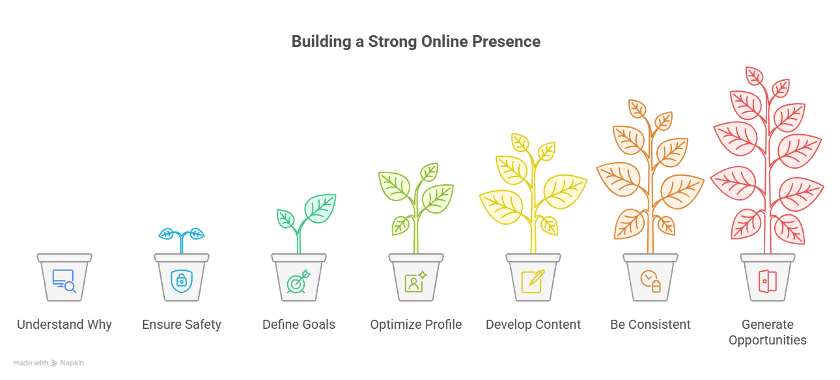
In a recent Lawyering Plus webinar, Amanda Lee joined moderator Ilka Beimel to discuss how arbitration practitioners can use online presence as a deliberate business development (BD) tool rather than a vanity project or an exercise in “influencing.” Drawing on her experience with initiatives such as Careers in Arbitration, ARBalance and Women in Arbitration Day, she outlined a practical approach: be safe, be strategic and be consistent in how you show up online.
Why Online Presence Matters in Arbitration
Amanda’s starting point was that arbitration is a niche, competitive, relationship‑driven field. Instructions, arbitrator appointments, expert mandates and speaking invitations typically go to people who are known and trusted, not only to those with technically strong CVs.
Her own career illustrates this. She began her career at a boutique firm without a strong brand in the arbitration space and no large marketing budget or conference sponsorships behind her. To be visible, she chose to build an arbitration‑focused online presence.
Over time, that visibility translated into publication opportunities, speaking engagements, a move from purely institutional to increasing party appointments, and the development of a genuinely international network. Online presence, she emphasised, is a BD lever that even junior practitioners can control.
Safety and Professionalism: “Be Visible, but Be Thoughtful”
Amanda began with guardrails. Everything posted online becomes part of a practitioner’s professional record, so the same judgment applied to briefs and client emails should apply to LinkedIn posts and comments. Her concrete advice:
- Know your firm’s or institution’s social media policy. Many firms and institutions now have explicit social media rules. Even if no such rules exist, assume colleagues, clients and appointing authorities may see your content.
- Treat confidentiality as absolute. Do not allude to client identities, internal matters or unpublished awards. Be aware that in a tight-knit community, “anonymous” details are often recognisable.
- Use the ten‑year test. Ask whether you would be comfortable with a post being quoted in an arbitrator due diligence process ten years from now. If not, do not publish it.
- Be alive to perceived bias. Amanda referred to the Sun Yang case, where strongly worded tweets by the presiding arbitrator helped create an appearance of bias and contributed to the award being set aside.
Strategy: Platforms and BD Goals
For most arbitration practitioners, Amanda sees LinkedIn as the main platform. It is where professional announcements are made, where institutional and firm news circulates, and where many arbitrator and counsel searches begin. Other platforms (such as Jus Connect or ARBI.CITY) can supplement LinkedIn, but rarely replace it. Rather than trying to be everywhere, Amanda advised practitioners to be consistently present on one or two platforms only.
More important than platform choice is clarity about BD goals. Amanda encouraged practitioners to ask:
- What does BD success look like for me?
- Am I trying to attract client work, build credibility for arbitrator or expert appointments, secure a new role, or become more visible in a specific sector or region?
This then shapes content:
- Those seeking appointments should use their online presence to signal neutrality, sound judgment and procedural expertise.
- Those targeting clients might emphasise commercial awareness and discuss the practical implications of recent developments.
- Those focused on career mobility may want to prioritise engagement with the broader community and provide thoughtful commentary.
Building the Foundations: Your Profile as a “Shop Window”
Amanda described a LinkedIn profile as a professional shop window. A post or comment may attract attention, but your profile determines whether that interest is converted into contact. Her key recommendations:
- Keep it current. Roles, practice areas and locations must be up to date. A neglected profile undercuts credibility.
- Use the headline strategically. Go beyond “Associate” or “Partner” and include keywords that reflect your arbitration focus and likely search terms (e.g. “International Arbitration Counsel – Energy & Construction Disputes”).
- Avoid unexplained gaps. Alumni and committee connections matter in arbitration so educational details and former firms should not be omitted.
- Invest in a professional, recent photo. Ideally aligned with firm branding. Consistent headshots across platforms and event materials help build recognition.
Once your profile is in good shape, content becomes the main driver of visibility and BD.
Content Strategy: What do you want to be known for, and who is your Audience?
Rather than asking “What should I post?”, Amanda suggested beginning with a more targeted question: “What do I want to be known for?” The answer – construction arbitration, tech disputes, investor‑State cases, a particular sector – should guide what you share.
She also stressed evaluating the potential audience. For each post, consider whether the primary audience is:
- Clients/in‑house counsel;
- Peers and opposing counsel;
- Institutions/appointing authorities; or
- Junior practitioners.
The same development (e.g. new institutional rules) can be framed differently for each audience, with a short, clear value add in each case. Amanda noted that content does not need to be original scholarship; curation – selecting and summarising useful developments – is itself a service.
What to Post: Practical Examples
Amanda identifies several content types that work well in arbitration practice:
- Event takeaways. A photo from a conference or panel, plus two or three key insights, shows that you are active in the community and engaged with current issues.
- Updates on rules, statistics and reports. Posts highlighting new institutional rules, arbitral statistics or policy reports, with short commentary on why they matter, are valued by busy practitioners and clients.
- Celebrating colleagues. Publicly recognising promotions, speaking roles or publications builds goodwill and signals that you are collaborative rather than purely self‑promotional.
- Career and mentoring insights. Practical advice on building an arbitration career often generates strong engagement. Amanda cited senior practitioners who have successfully grown their presence by sharing detailed mentoring content.
- Practical “top tips.” Short lists or infographics with concrete practice points (e.g. on document production, witness preparation, or managing costs) demonstrate expertise and are easy for others to share. Tools like Canva make it simple to create professional‑looking graphics.
Amanda recognised that many practitioners are hesitant to post. She therefore suggests low‑risk first steps:
- Repost firm or institutional content with one or two sentences on why it matters.
- Share a report or case summary and highlight two or three key takeaways.
- Thank and tag speakers after an event, mentioning a point that resonated.
Consistency and LinkedIn Mechanics
Amanda stressed that consistency matters more than volume. Her weekly “Women in Arbitration Day” series – highlighting women in the field each Friday – shows how a regular, recognisable format can build an audience over time. Similarly, Careers in Arbitration grew by consistently sharing vacancies and early‑career opportunities aligned with its audience’s interests.
She also offered a few practical points about LinkedIn itself:
- Personal posts generally outperform purely institutional posts; if you share firm content, add your own commentary.
- Engagement – especially early comments – extends reach. A culture of quick, substantive commenting within teams can significantly increase visibility.
- Hashtags are useful but secondary; substance and genuine interaction matter more.
- Posts with images, especially natural photos, tend to perform better. Event photos or genuine “behind‑the‑scenes” shots often feel more authentic than polished studio portraits. For example, when announcing publications, Amanda has found that a photo of herself with the book or chapter attracts much more engagement than a bare link.
From Visibility to Real Opportunities
Before concluding the webinar, Amanda highlighted that online presence does not automatically generate instructions, but it increases the likelihood that you will be thought of when opportunities arise. Amanda identified several mechanisms:
- Association with expertise. Regular, coherent posting on a topic makes it easier for others to link you with that area and to invite you to speak, write or act as counsel or arbitrator.
- Look for unique angles. Try to find niches that are not covered by others, i.e. topics that fewer people have addressed. Amanda gave the example of posting about the Polish Chamber of Commerce’s new arbitration rules at a time when most of the community was focused on the Singapore International Arbitration Centre’s amendments. By choosing a less crowded topic, her post stood out and led to a quote in the legal press, new contacts and an invitation to visit the institution.
- Goodwill and trust. Those who routinely amplify others’ work are more likely to receive referrals and collaboration requests.
Conclusion
Amanda’s core message was that a thoughtful online presence is one of the most accessible and effective BD tools available to arbitration practitioners. By:
- keeping profiles current and clear;
- aligning content with specific BD goals;
- contributing short, practical, value‑adding posts and comments; and
- engaging consistently and professionally,
practitioners can increase their visibility, reinforce their credibility and open the door to opportunities that might otherwise never arise.
Online presence does not replace excellent advocacy or case management. It does, however, ensure that such work is more likely to be noticed – and remembered – by the people who matter.
The episode recording is available on the Lawyering Plus YouTube channel.
Follow Lawyering Plus on LinkedIn and Arbi.City to receive updates on future episodes and learn more about soft skills. Feel free to subscribe here to be notified about the next episode.
ABOUT THE AUTHORS
Amanda J. Lee is an Arbitrator (t/a LML Arbitration) and a Consultant at Costigan King in London. She is admitted to the New York Bar, and as a Solicitor-Advocate in England and Wales. Her practice focuses on commercial dispute resolution, with particular emphasis on the automotive, finance, and waste management sectors. She has been appointed as sole and party-appointed arbitrator on 30+ occasions and accepts appointments in both domestic and international arbitral proceedings (ad hoc/institutional).
Amanda is a Visiting Lecturer at the University of Law, UK, holds numerous advisory roles, and is co-author of The Arbitration Act 1996: A Commentary (6th Ed.). She is the Founder of Careers in Arbitration, ARBalance, and the ‘Women in Arbitration Day’ initiative.
Dr Ilka Beimel is a senior associate in Noerr’s dispute resolution team, based in Dusseldorf. She specialises in national and international dispute resolution before arbitral tribunals and state courts. Ilka advises and represents clients on complex cross-border disputes, especially corporate, liability and commercial disputes. She has particular experience in handling disputes involving international sales law. Ilka works as party representative, arbitrator and tribunal secretary. In these roles she gained experience in arbitration proceedings governed by DIS, CAM-CCBC, ICC, LCIA and VIAC Rules, as well as ad hoc proceedings.

*The views and opinions expressed by authors are theirs and do not necessarily reflect those of their organizations, employers, or Daily Jus, Jus Mundi, or Jus Connect.