
THE AUTHOR:
Elizabeth Herold-Reverdin, Master’s Candidate at Sciences Po
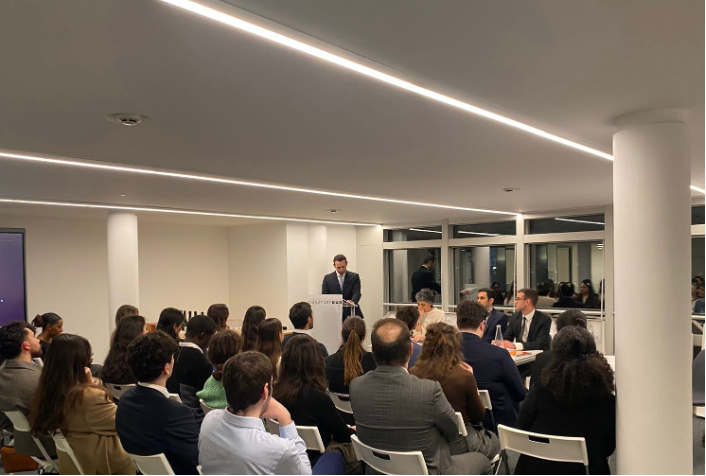
On January 26th, Signature Litigation in Paris hosted the latest Paris Baby Arbitration (“PBA”) conference, examining “Guerrilla Tactics in International Arbitration: The Arbitrator, Counsel and Institutional Perspectives.” The session offered the audience an opportunity to explore the fine line between legitimate procedural manoeuvres and tactics that may disrupt the efficiency, credibility, and predictability of arbitration proceedings. The panel brought together a mix of practitioners and institutional voices. Dr. Affef Ben Mansour, a Paris-based arbitrator, counsel, and lecturer at the University of Paris-Nanterre, shared her experience as an arbitrator. Maître Nicolas Jelonek, associate in the International Arbitration department of Eversheds Sutherland Paris, contributed the counsel perspective, providing insight into managing client expectations and procedural strategy. Mr. Jonathan Sive, deputy counsel within the ICC (International Chamber of Commerce)’s common law case management team, spoke to the institutional angle. The panel was moderated by Mr. Majd Al Ayoubi, trainee lawyer and member of Paris Baby Arbitration.
Drawing the Line: Guerrilla Tactic or Legitimate Right?
The discussion opened with a fundamental question: what exactly constitutes a guerrilla tactic in international arbitration? Panellists agreed that no universal definition exists, and each tactic must be assessed in its specific context. The distinction between legitimate procedural or substantive rights and abusive tactics is often subtle. Throughout the conversation, examples of potential guerrilla tactics multiplied, to include objections to jurisdiction, repetitive challenges to arbitrators, unanswered correspondence, repeated requests for suspension, withholding key arguments until annulment proceedings, or failure to pay advances on costs. Each, depending on context, could either be a legitimate procedural step or a strategy designed to obstruct the process.
Managing Guerrilla Tactics
Panellists emphasised the importance of containing such tactics to preserve the credibility and legitimacy of international arbitration.
From an arbitrator’s perspective, responses must be calibrated to each case. Inexperienced parties may simply require reminders of procedural rules, while cultural differences can affect perceptions of legitimate rights. Maintaining clear communication and rigorously enforcing procedural pace are key tools.
Counsel plays a critical role, balancing short-term tactical gains against long-term reputational risks. Nicolas Jelonek highlighted the need for counsel to calmly and firmly advise clients when procedural manoeuvres may be counterproductive, emphasizing the need to maintain credibility with the tribunal. Institutionally, Jonathan Sive emphasized that arbitral rules may directly address certain disruptive behaviours, prompting formal reminders or other measures to enforce compliance, such as the suspension of proceedings. In other cases, strong case management and coordination between the institution and the tribunal are necessary to prevent repeated procedural interventions from stalling proceedings.
A Shared Responsibility
The PBA conference underscored that guerrilla tactics in international arbitration are a persistent and nuanced challenge. The session, drawing on the perspectives of arbitrators, counsel, and institutions, made clear that countering guerrilla tactics depends on a coordinated approach, combining vigilance, procedural clarity, and strategic communication to uphold the integrity and efficiency of arbitration.
ABOUT THE AUTHOR
Elizabeth Herold-Reverdin is a second-year Master’s Candidate at Sciences Po Paris, where she specializes in litigation and arbitration. She has completed internships with the international arbitration team of a U.S. law firm in Paris and at the ICC (International Chamber of Commerce). She currently serves as co-head of Paris Baby Arbitration’s monthly newsletter.
*The views and opinions expressed by authors are theirs and do not necessarily reflect those of their organizations, employers, or Daily Jus, Jus Mundi, or Jus Connect.